
Croatian Real Estate Market
Croatian Real Estate Market — Overview
General Picture: Stabilisation After a Decade of Growth
After several years of strong growth, record prices and increased demand, 2025 proved to be a year of stabilisation — and 2026 brings a new chapter in which quality, location and energy efficiency are becoming more important than mere square footage.
In the first nine months of 2025, a double-digit decline in transactions was recorded — the first after a series of years of strong growth — confirming the beginning of a market slowdown. Inflation, higher interest rates and market saturation have led to a natural correction.
Key Trends
Energy Efficiency
Energy-efficient properties are increasingly sought after, especially those with better insulation and reduced energy consumption systems. Buyers are looking more and more at long-term maintenance costs, while new EU standards and state subsidies further encourage investment in green technologies.
Suburban and Rural Areas
In 2026, further growth in interest in suburban and rural areas is expected. Cities such as Samobor, Karlovac, Varaždin, Kaštela and Omiš are becoming increasingly attractive as they offer a combination of quality of life and accessibility.
Empty Apartments
It is estimated that Croatia has more than 400,000 unused apartments, of which around 50,000 in Zagreb alone. The introduction of a real estate tax and a slower pace of sales could encourage part of this stock to be activated through the rental market.
Tax Changes
The real estate tax introduced on 1 January 2025 will show its full effect on investment demand in 2026, as well as on owners’ decisions about retaining or activating their properties.
Foreign Buyers and Investors
Around 90% of foreign nationals buying real estate in Croatia opt for one of five coastal counties, where foreigners account for around 35% of all transactions. As these are buyers with greater purchasing power, developers increasingly direct construction towards this target group, which pushes up new-build prices and reduces availability for local residents.
The structure of foreign buyers is changing: Scandinavian and German buyers are becoming dominant, while British interest is slowly declining. In 2026, increased interest from institutional investors is expected, particularly in tourist resorts, luxury villas and five-star projects.
Croatian Real Estate Market — Detailed Review with Examples
Prices by City: Enormous Differences
Croatia is one of the most polarised real estate markets in the region. Average apartment prices by county reveal deep regional differences — from Slavonian municipalities where a square metre costs less than €800 to elite Adriatic destinations and the centre of Zagreb where prices climb towards €4,000.
Coast — Most Expensive Locations
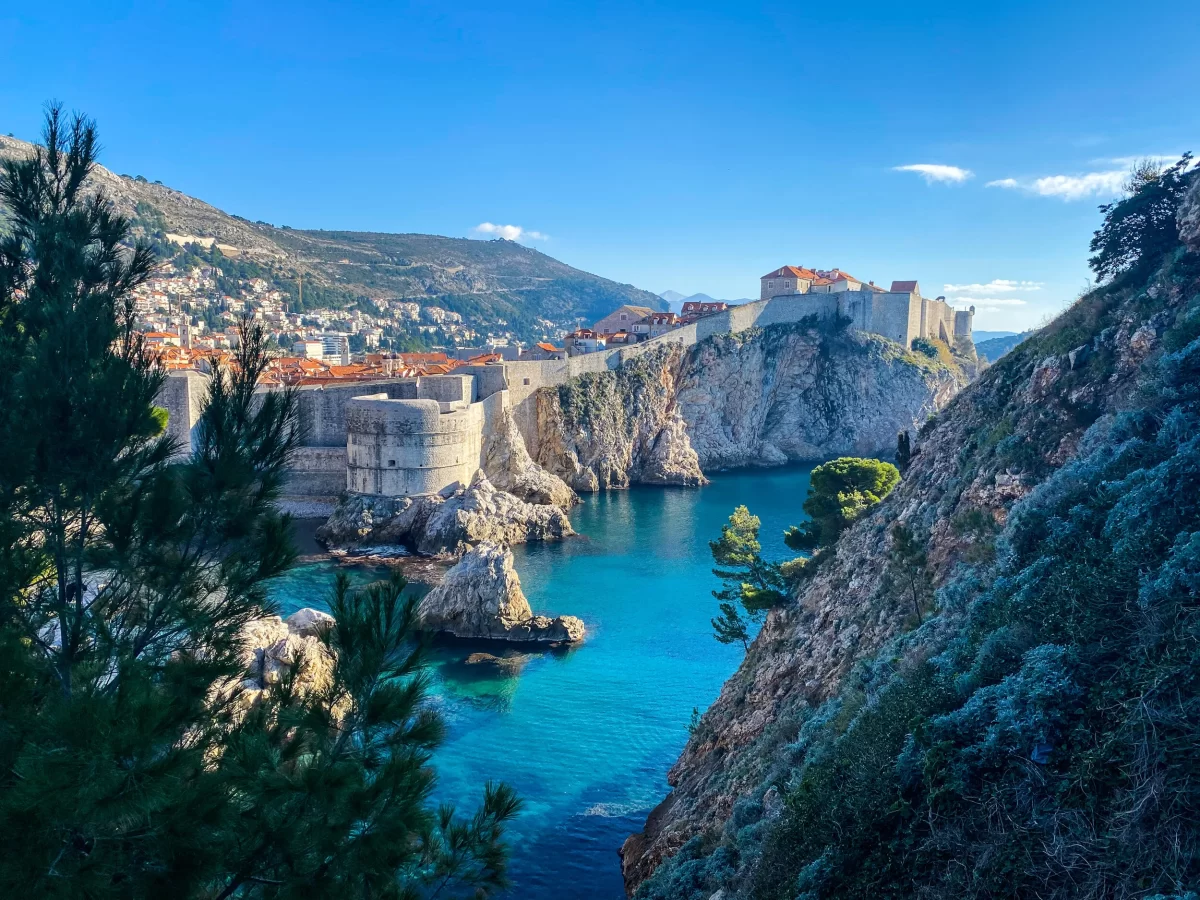
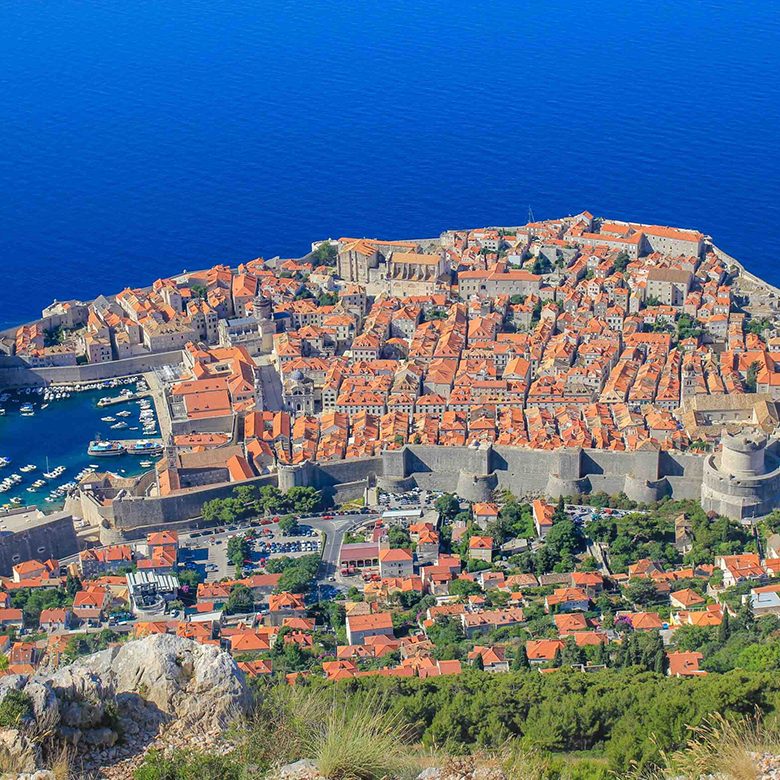
The most expensive locations are Opatija (around €3,975/m²), Dubrovnik (around €3,940/m²) and Split (around €3,740/m²). Compared to 2024, the most pronounced growth is recorded in Opatija — an increase of nearly €480 per square metre, or around 14%. Dubrovnik records a rise of around €310, and Split around €280.
Istria and Kvarner
In Istria, Rovinj (€3,666), Novigrad (€3,131) and Umag (€3,054) lead the way, while Pula stands at €2,353. On the Kvarner, Krk (€3,418), Omišalj (€3,379) and Cres (€2,964) are expensive, while Rijeka is at €2,699.
Zagreb — Internal Polarisation
In the capital, prices vary by micro-location. The most expensive is the Centre (€3,413), followed by Trnje (€3,184) and Maksimir (€3,170). On the other hand, peripheral areas such as Sesvete record €1,828, and the outermost settlements only around €1,564. The difference between the centre and peripheral parts exceeds €1,800 per square metre.
Slavonia — Most Affordable
Osijek leads in the east at €1,604/m², while a number of municipalities in Osijek-Baranja County record prices from €812 to €942. In Vukovar-Srijem County some municipalities fall to €675/m².
Dramatic Example: Split vs. Slavonski Brod
In Split, average asking prices for sale reached as much as €5,381/m², with annual growth of 15.2%, while rents rose to nearly €18/m². In Slavonski Brod, on the other hand, an extreme rise in selling prices of 36.6% was recorded, but rents simultaneously fell by around 8% — indicating a stronger local demand focus on buying rather than renting.
Rent vs. Buy — What Makes Sense Where?
The most favourable price ratio is found in Osijek, with an average selling price of around €2,021/m² and rents growing faster — as much as 17.4%, reaching nearly €12/m². In continental cities, buying real estate has a clear long-term financial logic, while in the most expensive coastal cities, high prices per square metre make renting a more rational choice for a large part of the population.
National Price Growth
Real estate prices across Croatia rose by an average of 14.1% in 2025 compared to the year before. Zagreb records annual growth of 14.2%, the Adriatic 11.8%, while the rest of Croatia — mainly continental regions — recorded as much as 19.3% growth, reflecting a redistribution of demand towards more affordable areas.
Conclusion
In short, the Croatian real estate market is entering a more mature phase — without dramatic falls, but also without the euphoric growth that characterised the previous decade. Location and quality are becoming ever more decisive factors. The gap between coastal and continental Croatia has never been wider. Those buying for tourism or investment look to the coast — those seeking value for money and long-term rental are increasingly turning to the east and the interior.