


Dubrovnik–Trani submarine pipeline: critical infrastructure in NATO’s Adriatic defence
At first glance, the Duboka Ljuta–Trani submarine pipeline, with an annual capacity of around 60 million cubic metres, looks like a classic water‑supply project. Its real significance, however, emerges when viewed through the lens of defence and security for the Adriatic, Italy and Croatia.
By physically connecting two coasts and two countries, the pipeline becomes critical infrastructure. In peacetime, it provides two‑way security of supply: in the event of drought, technical failure or local crisis, water can flow either way, supporting both civilian and industrial systems. In wartime or during a major conflict, any damage to the pipeline could directly affect the civilian population and, consequently, defence capabilities on the receiving side.
The Adriatic has long held strategic importance for NATO, with Croatia and Italy forming its natural security axis. In this context, the submarine pipeline functions as a symbol of trust and close cooperation – a joint project that deepens mutual interdependence and resilience. At the same time, precisely because of this, it becomes a potential target in hybrid warfare, including sabotage and terrorist attacks, which calls for integrated monitoring, underwater sensors, and robust protection and rapid‑repair protocols.
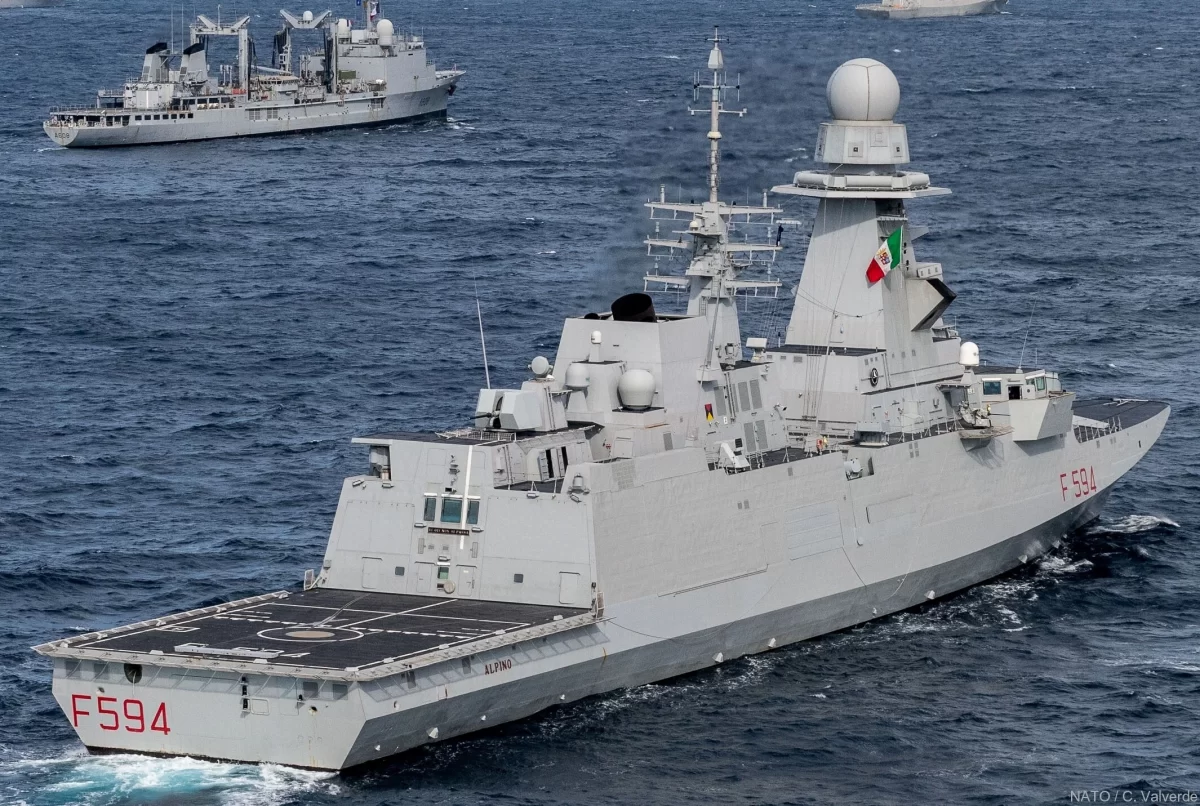
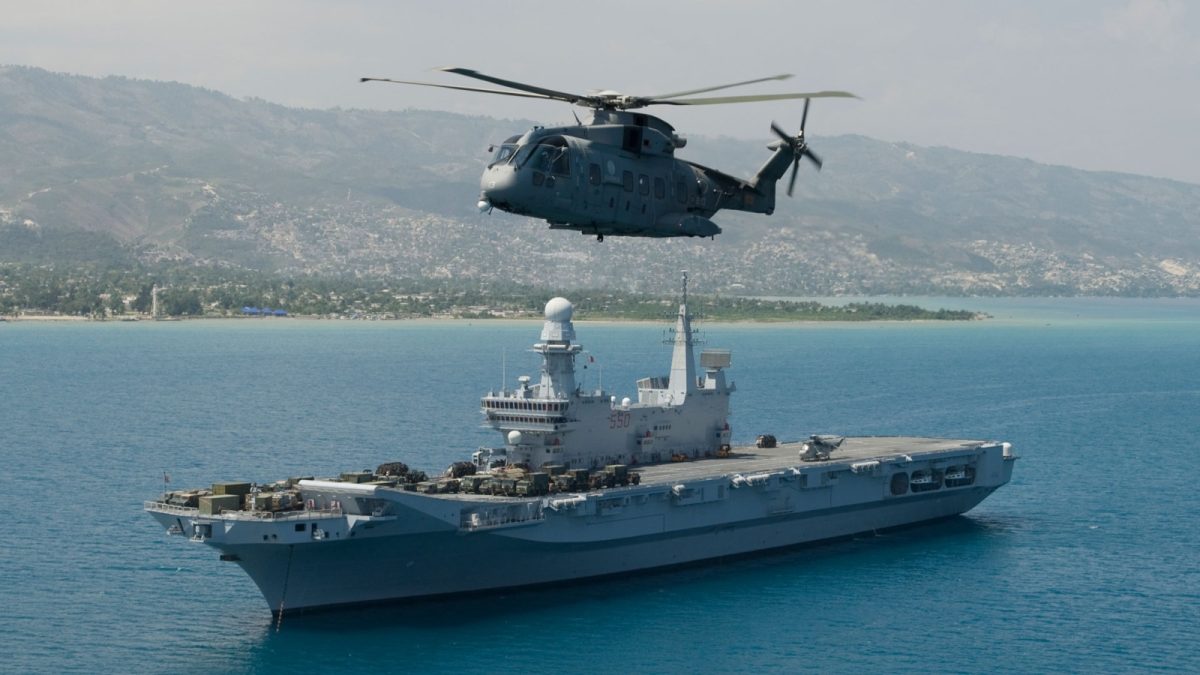
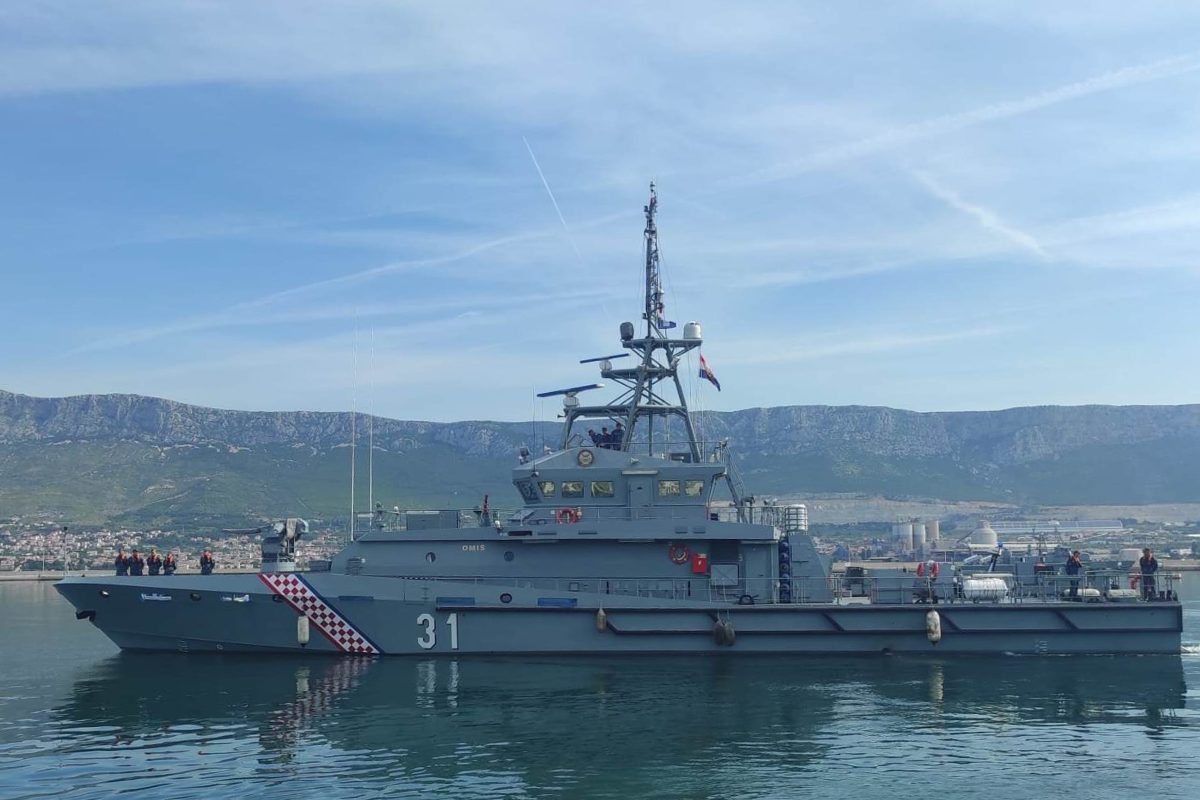
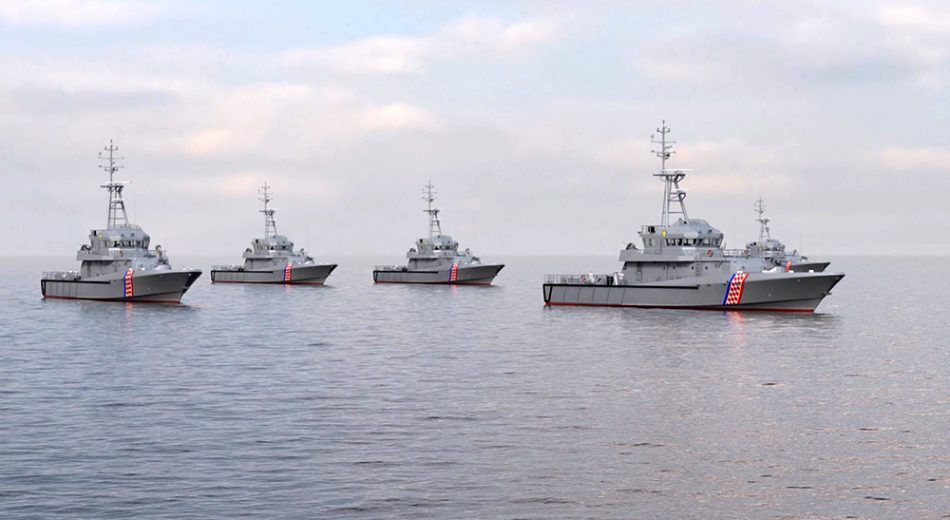
Beyond water supply, the system offers additional defence functions. Communication and surveillance cables can be installed along the pipeline, creating a discreet sensor network on the Adriatic seabed. Joint patrols by Croatian and Italian navies, coast guards and civil‑protection services around this infrastructure enhance interoperability and information sharing – key ingredients of effective crisis management.
Ultimately, the Adriatic submarine water pipeline between Croatia and Italy is far more than “a pipe with water”, it is a strategic component of NATO’s defence architecture in the Adriatic. By simultaneously providing water, communications, surveillance and a platform for joint defence cooperation, it becomes one of the pillars of regional security – provided that its protection is treated as seriously as any other piece of vital military infrastructure.