
Liscione–Capitanata: a strategic water corridor for Puglia’s future
Liscione–Capitanata: a strategic water corridor for Puglia’s future
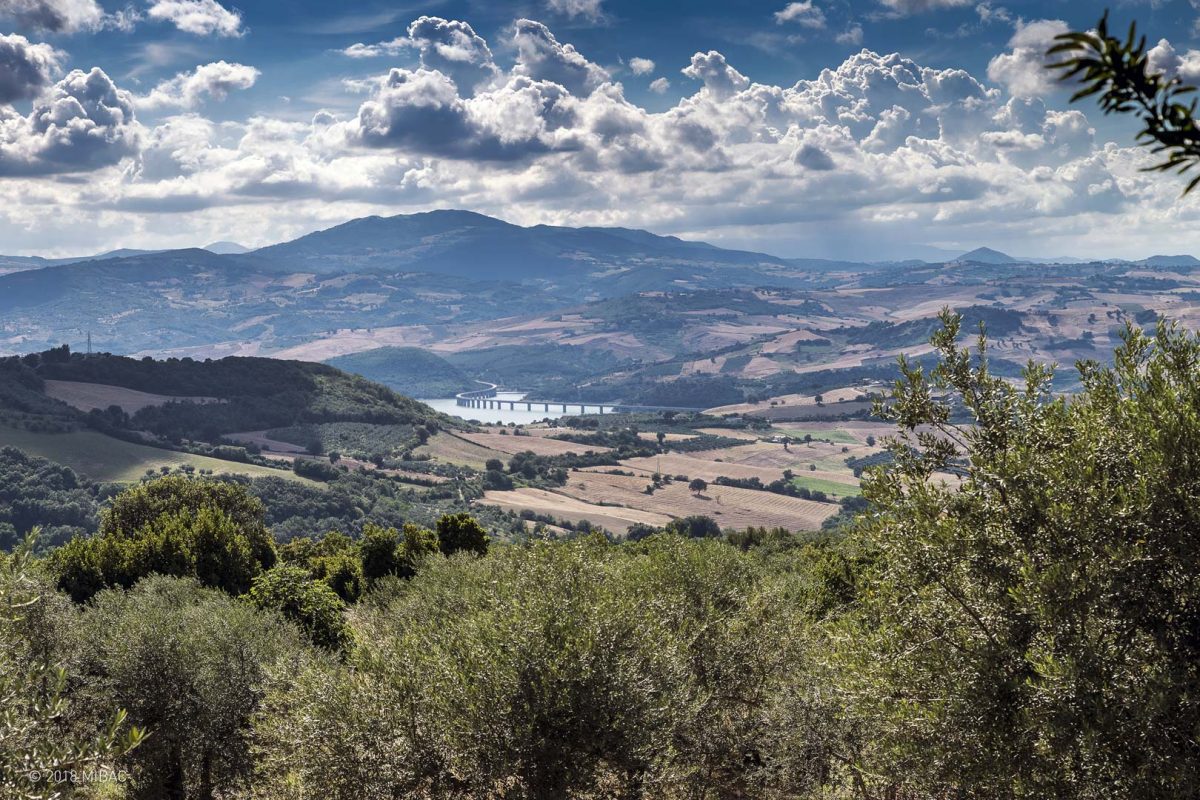
For years, Puglia has been struggling with chronic water scarcity, while at the same time significant volumes of freshwater from inland Italy are still being lost to the sea. The Liscione–Capitanata project is designed as a strategic response to this paradox – an infrastructure link that connects water surpluses in Molise with the real needs of the population and the economy in southern Italy.
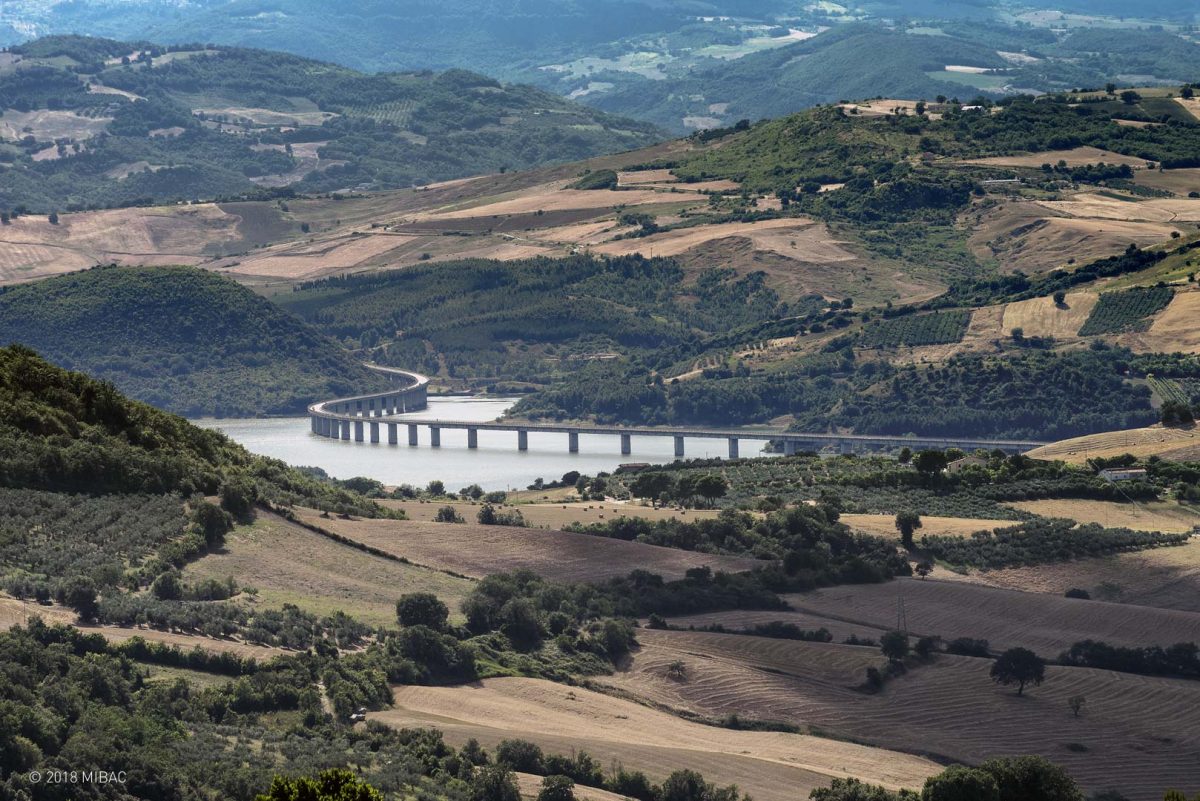
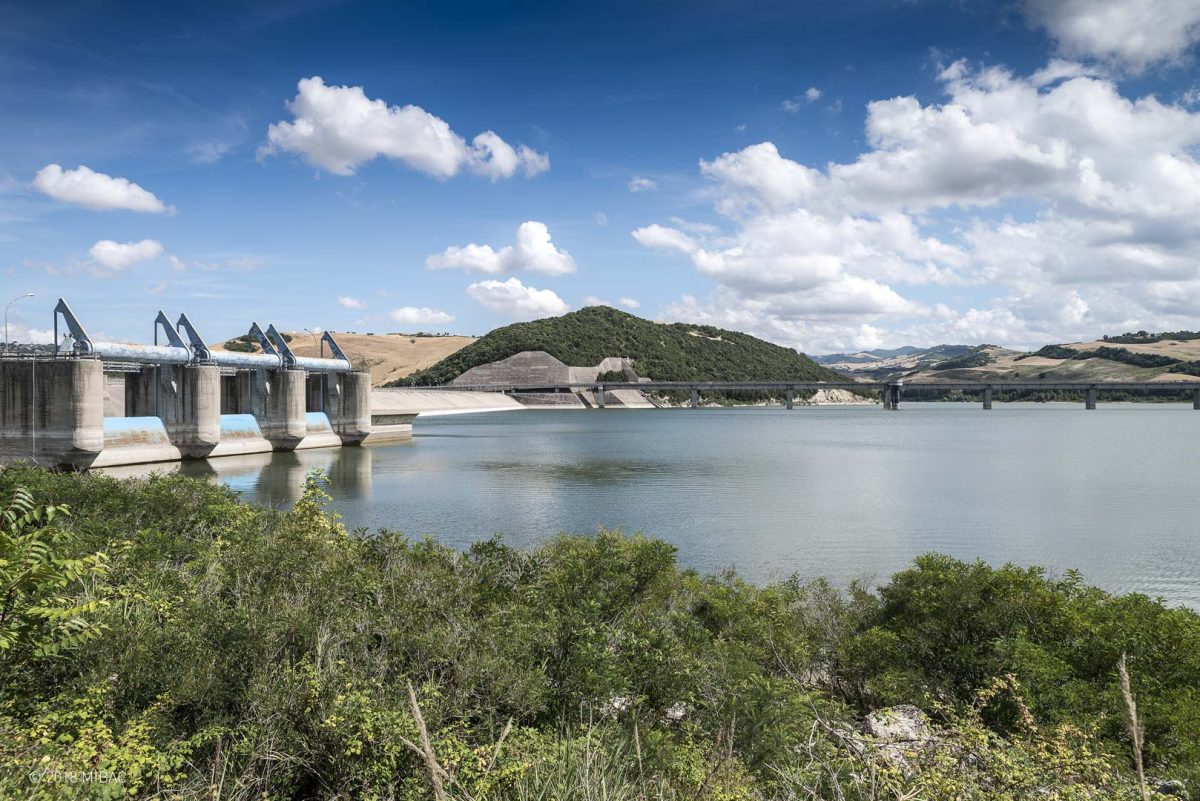
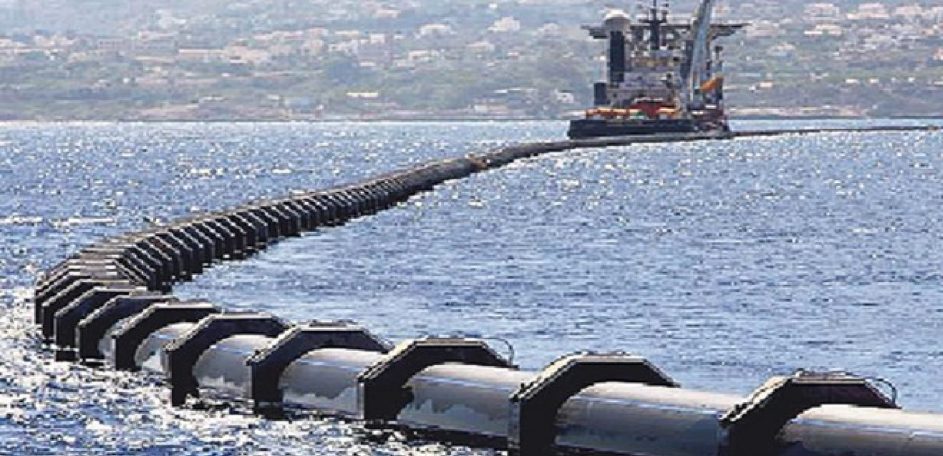
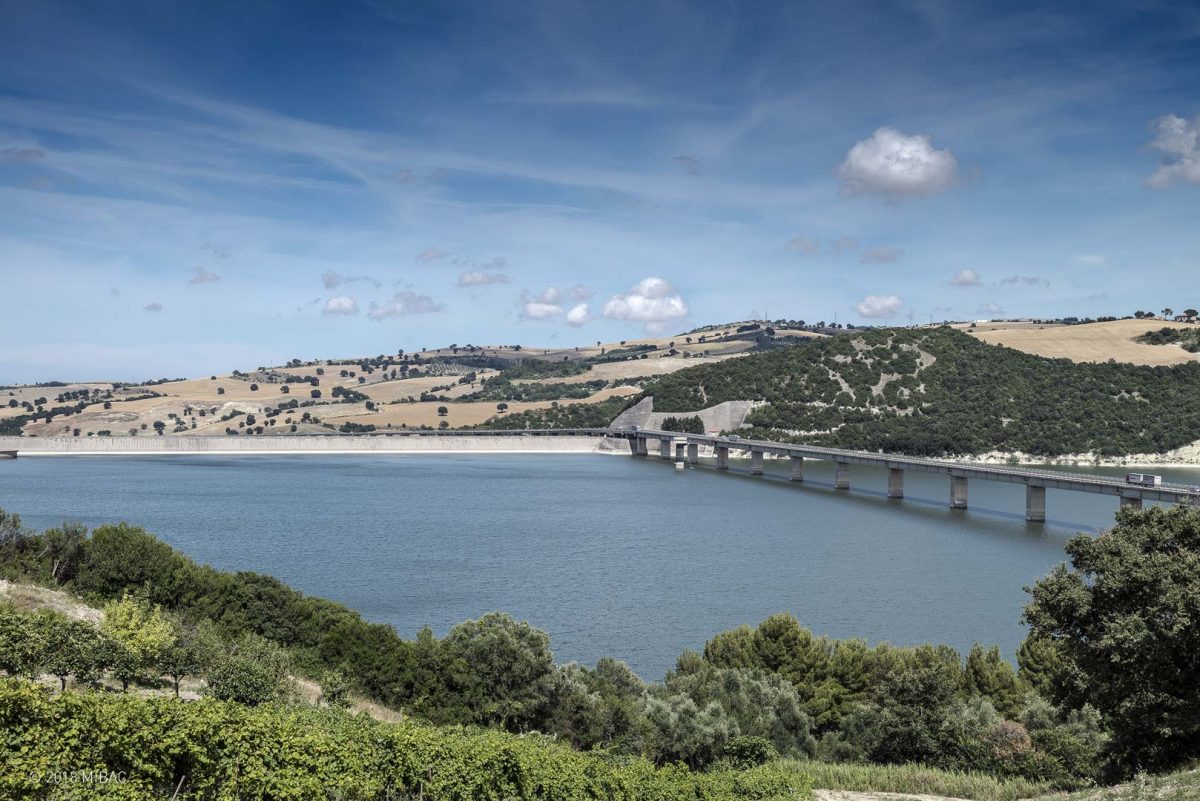
At the heart of the project is a ten‑kilometre pipeline that will carry water from the Liscione reservoir to the Finocchito water treatment plant, with an estimated annual transfer volume of 40 to 60 million cubic metres. Instead of letting this surplus flow into the Adriatic, it will be redirected towards the Capitanata area in northern Puglia, one of the regions hardest hit by drought and over‑exploitation of local reserves.
The project is not only about tackling the current crisis, but also about reorganising the wider water system. It foresees the filling of reservoirs, including Occhito, with water from the Adriatic aqueduct, as well as “reverse‑direction” distribution when needed to stabilise the network. This approach reduces pressure on depleted sources and creates a more flexible system that can better cope with climate extremes and seasonal demand peaks.
Although construction works on the pipeline are in an advanced stage, the project still faces a series of challenges – from the need for additional funding to inter‑regional tensions between Molise and Puglia. Some stakeholders in Molise fear for their own water resources in the context of climate change, while Puglia insists that without projects of this type there can be no long‑term security of supply.
Despite these obstacles, experts broadly agree that Liscione–Capitanata is a key intervention for the future of water supply and agriculture in Puglia. By enabling the transfer of tens of millions of cubic metres of water a year, the project creates the conditions not only for a more secure supply for households and industry, but also for a more resilient and productive agriculture in one of Italy’s most important farming regions.