
From Concept to Bankable Project
The Adriatic submarine water pipeline between Duboka Ljuta near Dubrovnik and Trani on the Italian coast is conceived as a strategic infrastructure project that connects two shores of the Adriatic with a single, clear objective: long‑term, reliable water supply. Based on the latest feasibility study, the system is designed for an annual capacity of 60 million cubic metres of drinking water, targeting both civil and industrial users in the Apulia region, which chronically suffers from water scarcity. The project builds on existing engineering practice from similar deep‑sea pipelines and integrates them into a coherent technical, economic and regulatory framework.
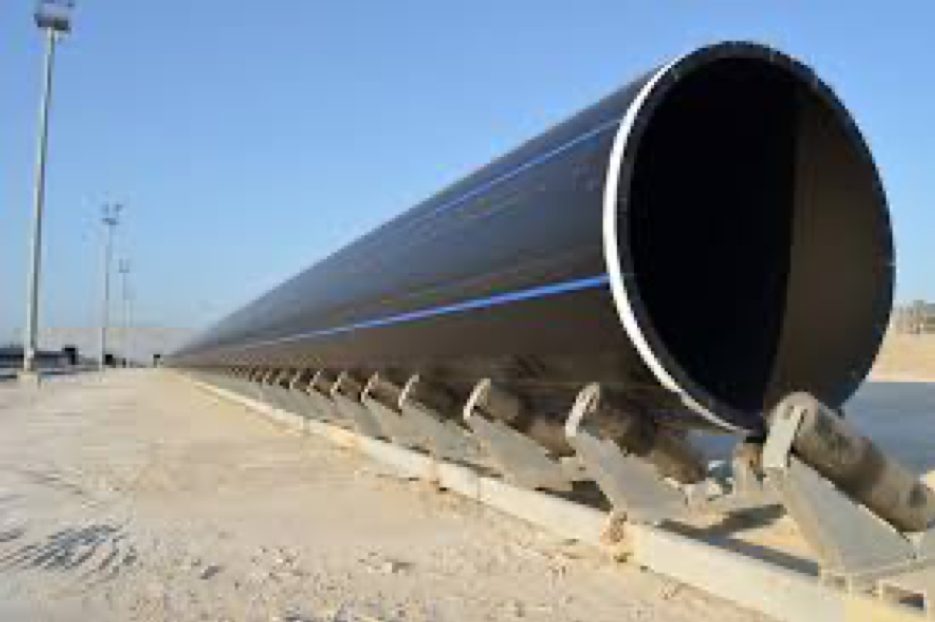
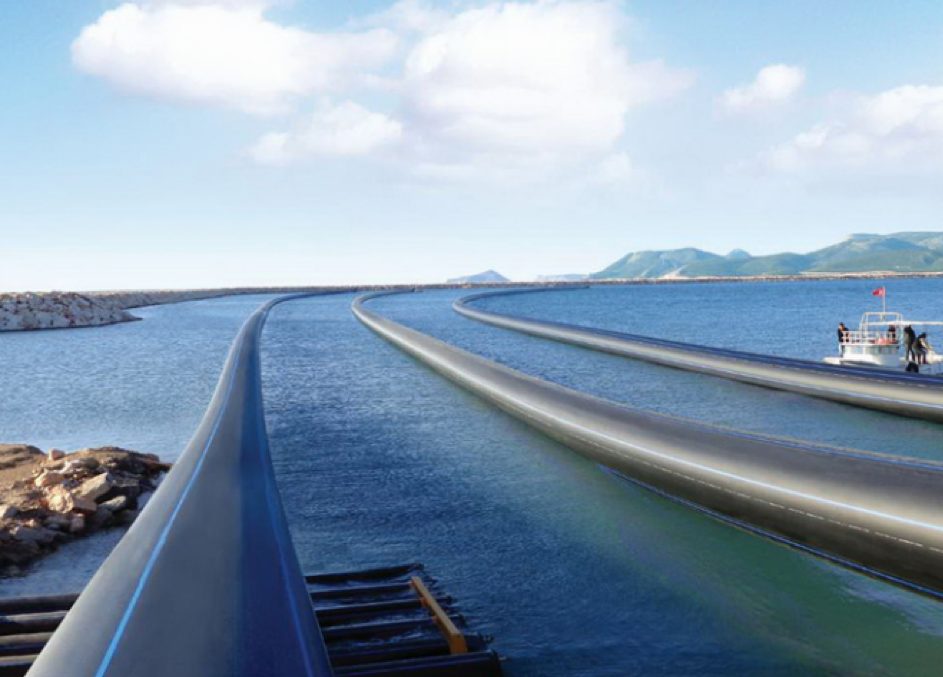
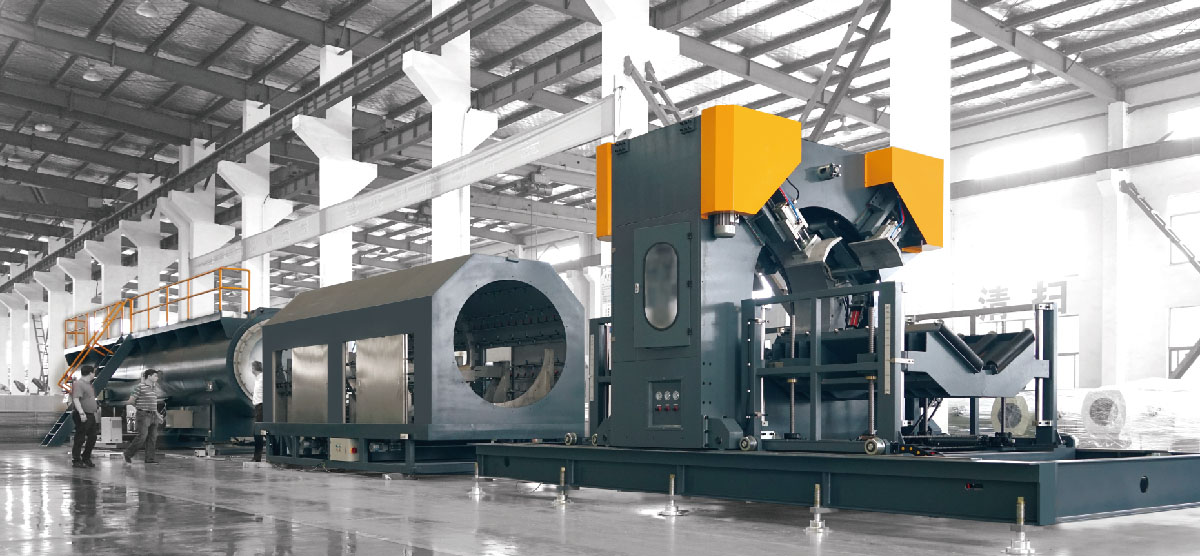
From a technical standpoint, the concept is ambitious but realistic. The pipeline length is about 220 kilometres, laid across the seabed of the Adriatic Sea, with maximum depths reaching approximately 1,233 metres and an average depth in the range of 800–1,200 metres. The main conduit is planned as a PEHD (PE100) pipeline with a diameter between 800 and 1,000 millimetres, SDR 11/17, designed for operating pressures of 10–16 bar. Such materials and configurations are well known in the water industry for their high resistance to corrosion and pressure, as well as for their suitability for butt‑welding on board specialised installation vessels.
Stability and safety of the pipeline are ensured by a combination of concrete anchoring blocks and burial in coastal areas. Along most of the route, the pipeline would be anchored every 50–100 metres using concrete blocks weighing between 1 and 5 tonnes, which prevent buoyancy and movement due to currents and storms. At landfalls on both the Croatian and Italian sides, horizontal directional drilling (HDD) is envisaged, allowing the pipeline to land without disturbing beaches and coastal structures, while inspection chambers and coastal facilities provide access for monitoring, operation and maintenance.
The investment structure is equally important as the engineering design. Total capital expenditure (CAPEX) is estimated at around 580 million euros. The largest single item is the PEHD pipe itself: roughly 220 kilometres of DN1000 pipe at about 1,400 euros per metre, for a total of approximately 350 million euros. To this, the project adds about 48 million euros for anchors, ballast and concrete weight coatings; 50 million euros for specialised pipe‑laying vessels and associated offshore operations; around 35 million euros for HDD drilling and coastal facilities; roughly 6 million euros for documentation, environmental impact assessment (EIA) and permits; some 8 million euros for the initial monitoring and ROV (remotely operated vehicle) inspection system; and about 35 million euros in contingency, corresponding to 5–7% of total costs.
Operating expenditure (OPEX) remains very moderate for an asset of this scale. Annual OPEX is estimated at about 6 million euros, of which around 3 million euros relate to pumping energy (to overcome friction losses and deliver water at the required pressure) and 3 million euros cover maintenance, periodic ROV inspections, sensor replacement and calibration, software, and administrative and regulatory costs. For investors, this ratio between a relatively high initial CAPEX and low, predictable OPEX is one of the main attractions of the project.
The revenue model is straightforward and conservative. At a designed capacity of 60 million cubic metres per year and an indicative sales price of 0.80 euros per cubic metre, annual revenue reaches approximately 48 million euros. Over a 20‑year horizon, without assuming any increase in water tariffs, this generates about 960 million euros in gross revenue. When we aggregate the total cost of ownership – around 580 million euros in CAPEX plus about 120 million euros in OPEX over 20 years – the total is roughly 700 million euros. The net profit over the same period is therefore about 260 million euros, which corresponds to a 20‑year return on investment (ROI) of roughly 37%. For a regulated infrastructure asset with tangible environmental and strategic value, this is a very solid figure.
Beyond the spreadsheet, the project has a pronounced environmental and geopolitical dimension. On the Croatian side, diverting and utilising part of the fresh water that currently flows untreated into the sea reduces ecological pressure on the Dubrovnik aquatorium. On the Italian side, Apulia gains a stable and high‑quality water source, reducing dependence on over‑exploited local aquifers and vulnerable surface resources. The project is conceived with a strict environmental impact assessment process, batimetric and geological studies, route optimisation to avoid sensitive habitats and islands, and continuous monitoring to promptly detect any anomalies.
Institutionally, the pipeline is ideally suited for a public–private partnership model. National and regional authorities in Croatia and Italy define the regulatory and planning framework, while private partners provide capital, technical expertise and operational know‑how. Such a structure allows risk sharing: technical and construction risks are managed by experienced contractors and operators, while political and regulatory risks are mitigated by long‑term offtake agreements and clear tariff structures. For the broader public, the benefit is a resilient, cross‑border water infrastructure that underpins economic development, agriculture and tourism on both sides of the Adriatic.
In short, the Duboka Ljuta – Trani submarine water pipeline is not just a technical curiosity, but a bankable, long‑lived asset that combines engineering feasibility, strong macro‑logic and measurable environmental benefits. It showcases how smart, cross‑border water infrastructure can become one of the key adaptation tools in a climate‑stressed Mediterranean.